
Help us empower poor widows in India
Help us empower poor widows in India
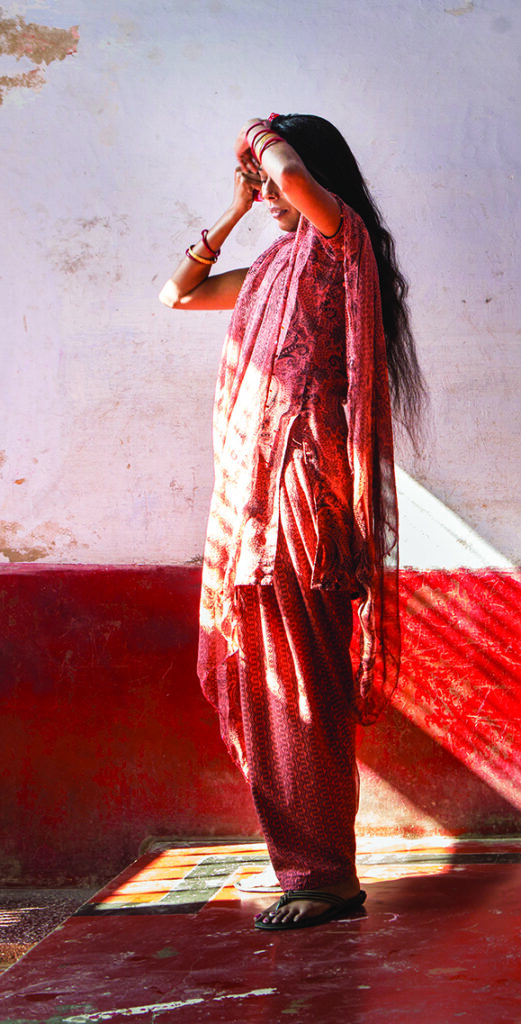
Photographed at the entrance to the Merra Sebhagini Mahila Ashram – a government ashram supported by Sulabh International – Ranjana is a young widow and warden for the ashram. Photograph © 2013 Amy Toensing
THE PLIGHT OF WIDOWS
Around the world, widowhood is one of the least-understood and most neglected drivers of poverty, discrimination and social exclusion. For centuries, widows have been left out of development discourse, policy frameworks and even basic statistics. As the UN observed, “there is no group more affected by the sin of omission than widows,” whose lives have remained largely invisible in national data and international reports for decades.
A Hidden Global Crisis
Today, more than 258 million women are widowed worldwide, with numbers rising due to conflict, disease, disaster and displacement. Millions of newly widowed women have emerged from wars in South Asia, Sub-Saharan Africa and the Middle East, as well as from the COVID-19 pandemic and climate-related catastrophes. Yet many countries still lack reliable data on widows, making their needs largely invisible and limiting effective policy responses. Research commissioned by The Loomba Foundation shows that widows even now remain absent from most gender-equality, poverty-reduction and human-rights frameworks, leaving them without protection at the moments they need it most.
Discrimination Rooted in History
Across cultures, the status of a woman has traditionally been tied to her husband, and widowhood has often been accompanied by stigma and harmful practices:
While extreme practices such as sati have been outlawed, the underlying prejudices endure. As a result, widows remain vulnerable to exploitation, homelessness and lifelong marginalisation.
Consequences for Families and Society
The impact of widowhood extends far beyond the widow herself. When a husband dies:
Research shows that widows experience disproportionate levels of violence, economic insecurity, and exclusion from public life, with poverty rates significantly higher among widowed households. One in ten widows worldwide lives in extreme poverty.
Widows in Humanitarian Crises
Modern crises have sharply increased widowhood: armed conflict, epidemics such as HIV/AIDS and COVID-19, and climate-driven disasters have left tens of thousands of women suddenly without partners or protection. Disaster widows must often care for children and elderly relatives but lack access to relief resources, as very few countries recognise widows as a vulnerable group in disaster or refugee policies.
Why Recognition Matters
The absence of widows in data and policy has profound consequences. Without visibility, governments cannot design protections; without rights, widows cannot rebuild their lives; without support, their children inherit a cycle of deprivation. As our research confirms, most progress in improving widows’ lives has come from grassroots action—not from formal systems.
The Loomba Foundation has worked for more than 25 years to change this reality, championing widows’ rights globally and leading the campaign that resulted in the United Nations adopting International Widows Day in 2011. Today, we continue our mission to ensure that no widow is left behind.